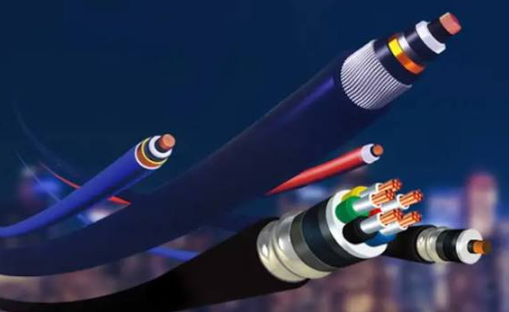
Industrial cables are expected to perform reliably under a variety of operating conditions. Depending on the application, they may be exposed to movement, friction, vibration, temperature changes and contact with surrounding equipment. Selecting the right cable construction is therefore an important part of equipment and installation planning.
Thermoplastic polyurethane, or TPU, is one material used in cable jackets. Its properties can make it suitable for certain applications where flexibility and resistance to mechanical wear are required.
The Importance of Selecting the Right Cable
A cable is more than a conductor covered by an outer layer. Its complete construction determines how it performs in a particular environment.
The conductor carries electrical current or signals, insulation separates electrical components, and the outer jacket provides protection against external conditions.
If any part of the cable is unsuitable for the application, problems may occur. These can include premature wear, damaged insulation, electrical interruptions or the need for frequent replacement.
Selecting a cable should therefore begin with a clear understanding of the equipment and operating environment.
Understanding TPU Material Characteristics
TPU is a thermoplastic elastomer used in a variety of industrial products. Depending on its formulation, it can combine flexibility with useful resistance to abrasion, tearing and repeated handling.
These characteristics can be valuable where cables are routed around machinery or exposed to regular contact with other surfaces.
However, TPU grades are not identical. Their performance may vary according to chemical composition, manufacturing process and intended application.
Buyers should examine technical specifications rather than assuming that every TPU jacket provides the same level of protection.
Assessing Mechanical Requirements
Mechanical conditions are among the most important factors when choosing an industrial cable. Some installations involve limited movement, while others require cables to bend repeatedly.
For applications with movement, consider the minimum bend radius and whether the cable is designed for static or dynamic use.
Abrasion resistance is also relevant where cables may rub against equipment or nearby surfaces. In such situations, a suitable jacket can help reduce external wear.
For demanding applications, ask the supplier for relevant mechanical test information. This may include data relating to tensile strength, flexibility and abrasion performance.
Considering Temperature and Chemical Exposure
Industrial environments can expose cables to different temperatures and substances. A cable that performs well in a controlled indoor setting may not be appropriate near heat sources or chemicals.
Temperature ratings should be checked for both normal operation and expected environmental conditions. Chemical compatibility should also be confirmed where cables may come into contact with oils, cleaning agents or industrial fluids.
The precise TPU formulation matters because resistance can differ between grades. Product documentation should identify the conditions under which the cable has been tested.
Electrical Specifications Must Come First
A mechanically durable cable is not automatically suitable for every electrical application. Conductor size, insulation, voltage rating and current capacity must match the system requirements.
Other important factors include the number of cores, shielding and signal characteristics. These details can affect electrical safety and the reliability of connected equipment.
Engineers should refer to equipment documentation and applicable installation standards when preparing a cable specification.
Why Product Documentation Matters
Technical documentation provides information that helps buyers assess whether a cable is suitable for a project. Useful documents may include datasheets, test reports, material specifications and certification records.
Where a project requires compliance with a particular standard, the exact cable designation should be verified. A general statement about material quality does not prove that a product meets a specific requirement.
It is also useful to check the manufacturer’s identification system and product labelling so the supplied cable can be matched to the approved specification.
Planning Installation and Maintenance
Cable routing can affect long-term performance. Sharp bends, excessive pulling force and unsuitable support arrangements may place unnecessary stress on the cable.
Installation teams should follow the recommended bend radius and handling instructions. Cables should also be protected from unnecessary mechanical contact.
Periodic inspection may help identify visible damage before it develops into a more serious problem. The inspection schedule should reflect the operating environment and importance of the equipment.
Comparing Available TPU Cable Products
When evaluating ul tpu cable options, engineers and procurement teams should compare the full cable construction, mechanical characteristics and certification information. Matching the product to the actual operating environment is more important than selecting a cable based on material name alone.
Frequently Asked Questions
1. Why is abrasion resistance important in industrial cables?
Cables may rub against equipment, surfaces or other cables. Suitable abrasion resistance can help reduce jacket wear in these conditions.
2. Can TPU cables be used in all industrial environments?
No. Suitability depends on the specific TPU grade, cable construction, temperature range, chemical exposure and electrical requirements.
3. What information should be requested from a cable supplier?
Request a detailed datasheet, electrical ratings, mechanical performance information and any relevant certification or testing documentation.
Conclusion
Selecting a cable for a demanding environment requires attention to both material properties and complete electrical construction. TPU may offer useful flexibility and mechanical resistance, but its suitability must be verified against project conditions. Reviewing technical documentation and installation requirements helps support a more reliable cable selection process.
