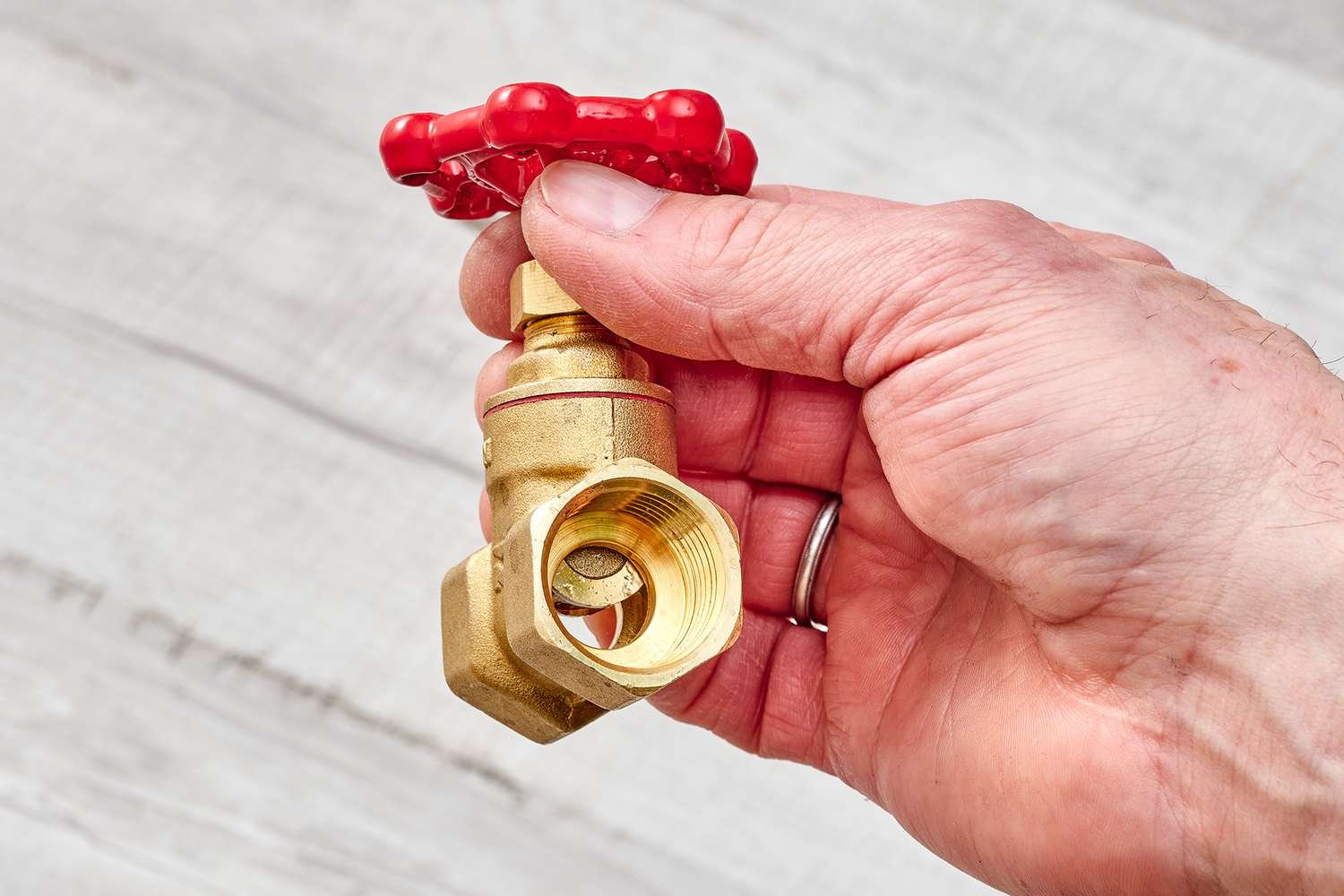
Understanding plumbing valves requires distinguishing core types and their roles. Ball valves enable rapid shutoff with minimal torque, while gate valves provide full-port flow with low pressure loss. Globe valves offer precise throttling and stable flow, and check valves prevent backflow. Bleed and special valves address venting, stabilization, and unique conditions. Selection hinges on flow direction, pressure, and media compatibility, with proper installation and testing ensuring long-term reliability. The next step clarifies how to choose and apply them effectively.
What Are Plumbing Valves and Why They Matter
Plumbing valves are devices that regulate, direct, and control the flow of water and other fluids within a piping system.
The topic centers on how valves efficiency and water pressure influence system performance, reliability, and safety.
Understanding valve function clarifies service requirements, maintenance intervals, and installation considerations.
This knowledge supports informed decisions, optimized fluid control, and freedom from unnecessary constraints in modern plumbing networks.
Ball, Gate, and Globe Valves: Core Functions and Use Cases
Ball, gate, and globe valves perform distinct yet complementary roles in controlling fluid flow within piping systems. Ball valves provide rapid shutoff with low torque; gate valves offer full-port, linear flow control for minimal pressure loss; globe valves ensure precise throttling and stability. Core functions include isolation, regulation, and prevention of backflow. Use cases span residential, commercial, and industrial installations.
Check, Bleed, and Special Valves: Solving Common Plumbing Problems
Check, bleed, and special valves address specific, often problem-prone scenarios in piping systems. These devices mitigate recurring issues by isolating sections, venting trapped air, and enabling controlled flow. Check valve applications guard against backflow; bleed valve benefits include rapid air removal and pressure stabilization. Though varied in design, they share a systematic approach to maintaining reliability, safety, and operational freedom.
How to Choose, Install, and Maintain the Right Valve for Your System
Selecting the appropriate valve requires a methodical assessment of system requirements, including flow direction, pressure range, media compatibility, and the need for isolation or control. The process prioritizes valve selection, compatible ratings, and installation prerequisites. Valve installation procedures follow manufacturer guidelines, emphasizing clean seating surfaces and leak-free joints. Post-installation, pressure testing confirms seal integrity and system performance without compromising safety or accessibility.
Frequently Asked Questions
How Do Valve Materials Affect Water Taste and Safety?
Valve materials affect water taste and safety by leaching compounds and influencing corrosion potential; materials impact mineral interaction and regulatory compliance. Taste safety depends on compatibility, while measured performance ensures contaminant mitigation, durability, and predictable flow within system constraints.
Can Valves Be Repaired or Must They Be Replaced?
Valves can often be repaired; however, many situations favor replacement. Repair options include seal or cartridge fixes, while replacement considerations focus on valve type, compatibility, cost, and durability, ensuring reliable performance and freedom from recurring leaks.
What Is Corrosion Risk for Metal Vs Plastic Valves?
Corrosion risk differs: metal valves exhibit higher corrosion potential; plastic valves show superior corrosion resistance. Parallel structures emphasize comparison of corrosion resistance and material durability, highlighting metal vulnerability, plastic resilience, maintenance implications, and long-term performance for freedom-seeking users.
How Do Valves Impact Water Pressure in Tight Spaces?
Valve placement affects water pressure in tight spaces by introducing localized pressure loss proportional to flow, valve size, and obstruction. Systematically, flow paths are constrained, increasing pressure drop and potential noise, while freedom-loving users prefer compact, low-loss configurations.
Are Smart Valves Compatible With Existing Home Systems?
Smart valves can integrate with many home systems, though compatibility issues may arise; proper valve installation is essential, and system integration depends on existing wiring, controllers, and zoning.
Conclusion
Plumbing valves—when matched to purpose—deliver reliable, controllable flow with minimal losses and safe isolation. Ball valves offer rapid shutoff; gate valves provide full-port efficiency; globe valves enable precise throttling. Check and bleed valves prevent backflow and stabilize pressure, while special valves address unique requirements. By aligning valve type with media, pressure, and isolation needs, and by ensuring clean seating and proper installation, systems achieve consistent performance. Anticipated objection: complexity is optional—yet correct selection yields measurable reliability and maintenance savings.
